What Are Ice Dams and Why Do They Form in Syracuse?
If you live in Syracuse, you know winter brings more than just snow and cold temperatures. Ice dams are one of the most destructive seasonal problems homeowners face, yet many don't understand how they form or why they keep returning year after year.
An ice dam develops when warm air from your home escapes through your attic, melting snow on your roof. That melted water runs down toward the eaves, where it refreezes because the overhang doesn't receive heat from inside the house. Over time, ice builds up in a ridge along the gutter line, trapping water behind it. When temperatures drop further, that trapped water has nowhere to go except under your shingles and into your attic, where it causes rot, mold, and structural damage that can cost thousands to repair.
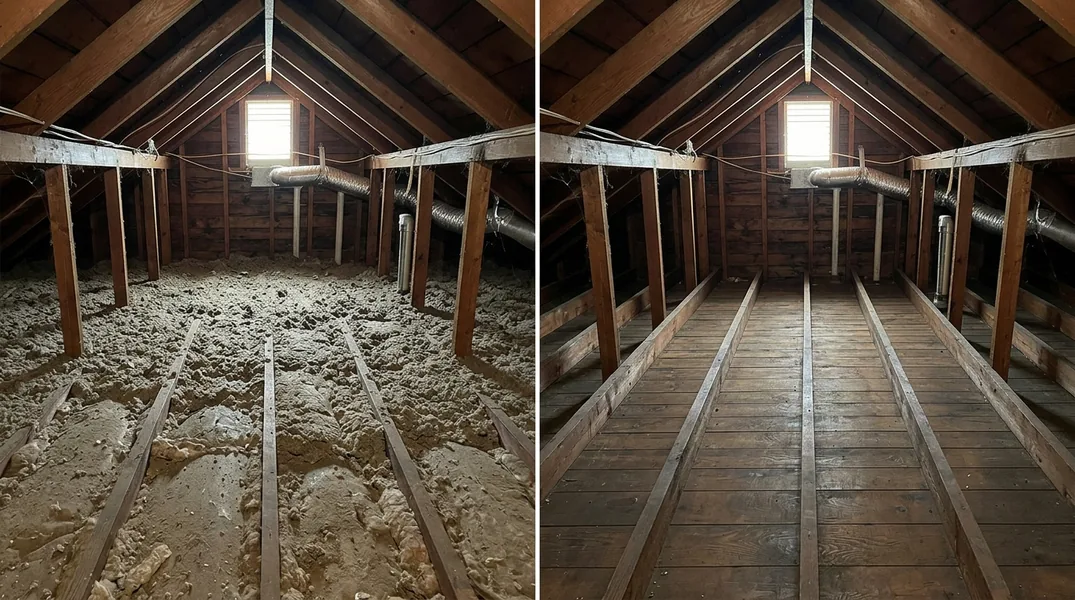
The root cause isn't the snow itself or the weather. It's poor attic insulation allowing heated air to escape. Most older homes in the Syracuse area were built with fiberglass batts or blown-in cellulose that settle over time, leaving gaps and thin spots. These traditional insulation materials also allow air to flow through them, which means your furnace is literally heating the outdoors while ice dams form above your head.
How Attic Spray Foam Insulation Stops Ice Dams
Attic Spray Foam Insulation works differently than traditional insulation because it creates an airtight thermal barrier. When spray foam is applied to your attic, it expands to fill every crack, cavity, and gap in the space. This means warm air from your living areas can't leak into the attic, and cold outdoor air can't infiltrate back down into your home.
By keeping your attic cold, spray foam prevents the roof from warming up enough to melt snow. Without melting, there's no water running down to the eaves, and without water, ice dams can't form. The insulation also provides superior R-value compared to fiberglass or cellulose, so your heating system works less to maintain comfort indoors. You get lower energy bills and a roof that stays protected throughout the winter.
The air sealing properties of spray foam are what truly set it apart. Fiberglass batts have an R-value but they're porous, meaning air flows right through them. Spray foam blocks air movement entirely. This dual action, insulating and air sealing at the same time, is why it's considered the most effective solution for ice dam prevention in cold climates like ours.
Closed Cell vs. Open Cell Spray Foam for Attics
When you're ready to invest in spray foam insulation, you'll encounter two main types: Closed Cell Spray Foam Insulation and Open Cell Spray Foam Insulation. Understanding the difference helps you choose the right product for your attic and budget.
Closed cell foam has a higher R-value per inch, around R-6 to R-7, making it ideal for attics where space is limited or where maximum insulation is needed. It's also moisture resistant, which matters in attics where humidity can be a concern. The denser structure provides excellent air sealing and can add structural rigidity to your roof deck. For ice dam prevention specifically, closed cell is the premium choice because it leaves absolutely no room for air movement or moisture infiltration.
Open Cell Spray Foam Insulation has a lower R-value of about R-3.5 per inch but costs less and allows some vapor permeability, which can be beneficial in certain attic conditions. It's still vastly superior to fiberglass for air sealing, though it won't provide the same level of moisture protection as closed cell. Many homeowners in Syracuse choose open cell when budget is the primary concern, but if ice dams have been a recurring problem, closed cell delivers better long-term protection.
The Long-Term Benefits Beyond Ice Dam Prevention
While stopping ice dams is the immediate benefit of Attic Spray Foam Insulation, the advantages extend far beyond winter protection. Homeowners who install spray foam report significantly lower heating and cooling bills because their HVAC systems don't have to work as hard to maintain comfortable temperatures. In a region like Syracuse where winters are long and heating costs are substantial, this translates to hundreds or even thousands of dollars in savings over the life of the insulation.
Spray foam also improves indoor air quality by preventing outside air from infiltrating your living spaces. Less drafty rooms mean fewer dust, pollen, and pollutant particles entering from outdoors. The airtight seal also helps regulate humidity levels in your home, which reduces the likelihood of mold growth and dust mite proliferation. If anyone in your household suffers from allergies or asthma, this benefit alone can be life-changing.
From a structural standpoint, spray foam adds rigidity to your roof system and protects your attic framing from the moisture damage that ice dams cause. By preventing water infiltration, you're extending the lifespan of your roof, trusses, and insulation itself. You're also protecting the contents of your attic, whether that's stored holiday decorations, old family photos, or equipment. The upfront investment in spray foam pays dividends through reduced maintenance costs and avoided emergency repairs down the road.
Attic Spray Foam Insulation Near Me: When to Call a Professional
If you've experienced ice dams in past winters, or if you've noticed water stains on your attic framing or ceiling, it's time to call a professional. Spray foam insulation installation requires specialized equipment, training, and safety protocols that DIY approaches simply can't match. The application process involves mixing chemicals that expand on contact, and improper mixing or application can result in poor performance, fire safety issues, or wasted material.
A qualified contractor will inspect your attic to identify air leaks, assess existing insulation, and determine the best approach for your specific home. They'll also ensure proper ventilation in any areas that need it and verify that your installation meets local building codes. Syracuse Spray Foam Insulation has the expertise to handle attics of all sizes and configurations, from simple ranch homes to complex multi-story structures.
The best time to install spray foam is before winter arrives. If you're already experiencing ice dams this season, don't wait until next year. Contact Syracuse Spray Foam Insulation today for a free estimate. Call us at (315) 907-4259 to schedule an inspection and learn exactly how much spray foam your attic needs to stay dry and comfortable all winter long.
Attic Spray Foam Insulation Cost in Syracuse: What to Budget
The cost of spray foam insulation varies based on attic size, existing insulation, and which type of foam you choose. Closed cell foam costs more per square foot than open cell, but it delivers higher R-value and superior moisture resistance. Most homeowners in Syracuse invest between $1,500 and $5,000 for a complete attic retrofit, depending on square footage and complexity.
While this may seem like a significant upfront expense, it's important to view it as an investment that pays for itself. Energy savings alone can recoup your costs within 5 to 10 years, and you'll enjoy those savings for decades afterward. When you factor in avoided ice dam damage, reduced HVAC maintenance, and improved home comfort, the return on investment becomes even more compelling. Many homeowners also find that spray foam insulation increases their home's resale value, making it an attractive upgrade for buyers in cold climates.
To get an accurate pricing quote for your specific attic, reach out to Syracuse Spray Foam Insulation. We'll assess your space, discuss your goals, and provide a detailed estimate with no obligation. Call (315) 907-4259 or visit our website to request your free estimate today. Don't let another winter pass with the risk of ice dams damaging your home.
Looking for a professional spray foam insulation contractor in Syracuse? Syracuse Spray Foam Insulation responds fast for all your spray foam insulation needs.
Get a Free Quote