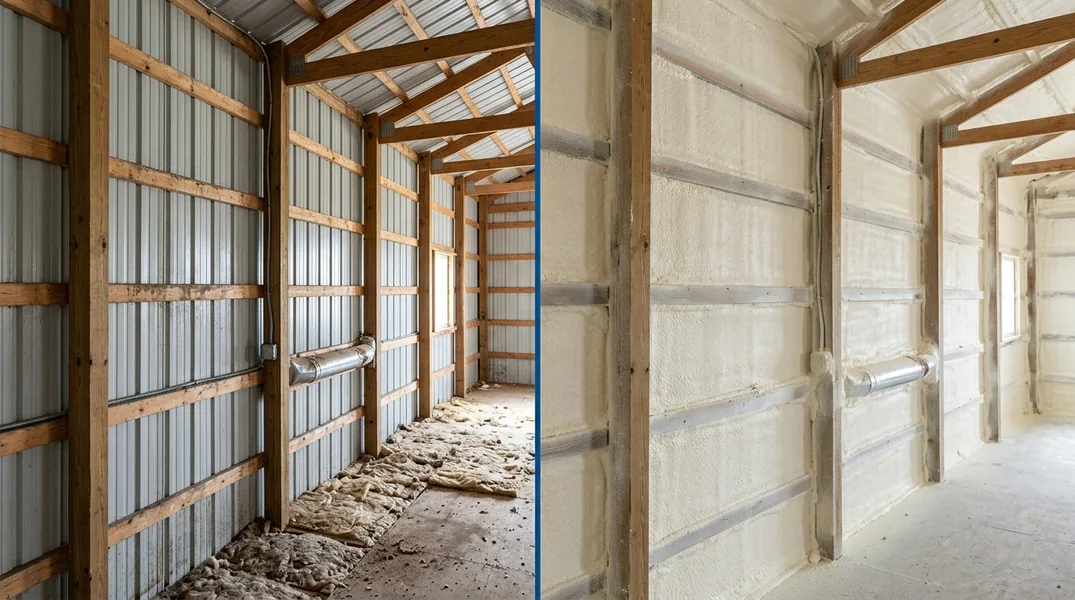
Why Syracuse Building Departments Care About Spray Foam
Before you invest in Closed Cell Spray Foam Insulation or Open Cell Spray Foam Insulation for your basement, it's important to understand that your local building department isn't trying to make your life difficult. They're protecting your home's safety, structural integrity, and long-term value. Spray foam insulation, while highly effective at creating an air seal and improving energy efficiency, involves chemical application and can affect fire ratings, moisture management, and ventilation in ways that traditional insulation doesn't.
The Syracuse building department enforces codes that ensure spray foam installation meets New York State standards and the International Building Code (IBC). These regulations exist because improper spray foam application can trap moisture, create fire hazards, or compromise structural components if not installed correctly. Understanding what inspectors look for before you begin work will save you time, money, and the frustration of having to remove and reinstall insulation that doesn't meet code.
Permit Requirements for Basement Spray Foam Projects
Most basement insulation projects in Syracuse require a building permit before work begins. This isn't optional, and skipping this step can create serious problems when you sell your home or file an insurance claim. The permit process exists to document that your project meets local codes and that qualified professionals are performing the work. When you apply for a permit, you'll typically need to submit plans showing where the spray foam will be applied, the thickness, and the type of foam (whether you're using closed cell or open cell spray foam).
Your contractor should be familiar with the permit process and able to guide you through it. At Syracuse Spray Foam Insulation, we handle permit coordination as part of our service. The permit application will require details about your basement's dimensions, the R-value you're targeting, and how the foam will be applied. The Syracuse building department will review your application to ensure the project complies with current energy codes and fire safety requirements before issuing approval to proceed.
Understanding R-Value and Code Compliance
One of the first questions the building department will ask is about the spray foam R-value your project will achieve. The R-value measures thermal resistance, and New York State energy codes specify minimum R-values for basement insulation depending on your climate zone. Closed Cell Spray Foam Insulation typically delivers an R-value of 6 to 7 per inch, while Open Cell Spray Foam Insulation provides roughly 3.5 to 3.6 per inch. This difference matters significantly when the building department reviews your plans, because it directly affects how thick your foam layer needs to be to meet code.
Closed cell spray foam's higher closed cell spray foam r value means you need less material to achieve the same thermal resistance, which is why many homeowners choose it for basements. However, the building department also considers factors like vapor permeability, fire ratings, and how the foam will interact with your basement's moisture environment. Your contractor should provide documentation showing that the proposed spray foam system meets or exceeds the required R-value for your area, and the building department inspector will verify this during the inspection process.
Fire Rating and Safety Code Requirements
Fire safety is a major concern for building departments when reviewing spray foam projects. Both closed cell and open cell spray foam are combustible materials, which means they can burn if exposed to direct flame. To comply with building codes, spray foam in basements must be covered with an approved ignition barrier, typically a layer of drywall, plaster, or spray-applied fireproofing. The building department will specify which covering materials are acceptable and how thick they must be. This requirement protects your home and ensures that if a fire starts, the foam won't contribute to rapid flame spread.
The type of spray foam you choose affects fire rating requirements. Some closed cell spray foam products have higher fire ratings than others, and the same applies to open cell options. During the permit review, the building department will examine the fire rating of your specific foam product and the proposed covering system. When the inspector visits your site, they'll verify that the ignition barrier has been properly installed and that no foam is exposed to living spaces or crawl areas. This is not a step to skip or cut corners on, as it's essential for your family's safety and your home's compliance with code.
Inspection Timeline and What Inspectors Will Check
After your permit is approved, the building department will schedule inspections at key stages of your project. Typically, there's a pre-application inspection to confirm the work area is ready, a rough inspection after the foam is applied but before any covering is installed, and a final inspection after the ignition barrier is complete. Each inspection serves a specific purpose. The rough inspection allows the inspector to verify that the foam has been applied to the correct thickness, that it's properly adhered to the substrate, and that there are no gaps or voids that would reduce effectiveness.
The final inspection confirms that all required coverings are in place, properly fastened, and meet code specifications. Inspectors will also check that any penetrations through the foam (like electrical outlets, pipes, or HVAC ducts) have been properly sealed and that the installation doesn't interfere with required ventilation or drainage. The inspection process typically takes a few days to a week at each stage, so plan your project timeline accordingly. If any issues are found, you'll need to address them before the next inspection can occur. Working with an experienced contractor like Syracuse Spray Foam Insulation ensures that your installation is done right the first time and passes inspection without delays.
Getting Your Free Estimate and Moving Forward
The best way to navigate the building department requirements is to work with a contractor who understands local codes and has experience with the permit process. When you contact Syracuse Spray Foam Insulation for a free estimate, we'll discuss your basement project, explain what the building department will require, and help you understand the difference between open cell vs closed cell spray foam for your specific situation. We'll also handle the permit coordination, ensuring all documentation is submitted correctly and your project stays on schedule.
Don't let the building department process intimidate you. It's designed to protect your investment and ensure your home is safe and energy efficient. By understanding what to expect before you start, you can plan your project confidently and avoid costly mistakes. Call us today at (315) 907-4259 to discuss your basement insulation project and learn how we can help you meet Syracuse building codes while achieving the comfort and efficiency you're looking for in your home.
Looking for a professional spray foam insulation contractor in Syracuse? Syracuse Spray Foam Insulation responds fast for all your spray foam insulation needs.
Get a Free Quote